
A specific dread hits property managers when an Austin Fire Department inspector starts frowning. You can see it on their face while their walking the property. You know exactly what comes next. A Notice of Violation and a hefty reinspection fee. To top it all off, you must frantically scramble to find an emergency contractor.

As a local life safety professional, I see these exact issues tripping up Central Texas businesses weekly. Whether you manage a downtown high-rise or an airport warehouse, the code violations remain surprisingly consistent. Most of these inspection failures are entirely preventable and here is your chance to get ahead of the game. Here are the top five reasons commercial fire systems fail their Austin inspections.
1. Dead or Expired Fire Alarm Batteries It sounds simple. However, this is the top reason for a yellow tag or inspection failure. Specifically, your fire alarm panel runs on commercial-grade backup batteries. Per NFPA 72 regulations, you must replace these batteries every three to five years from their manufacturing date.
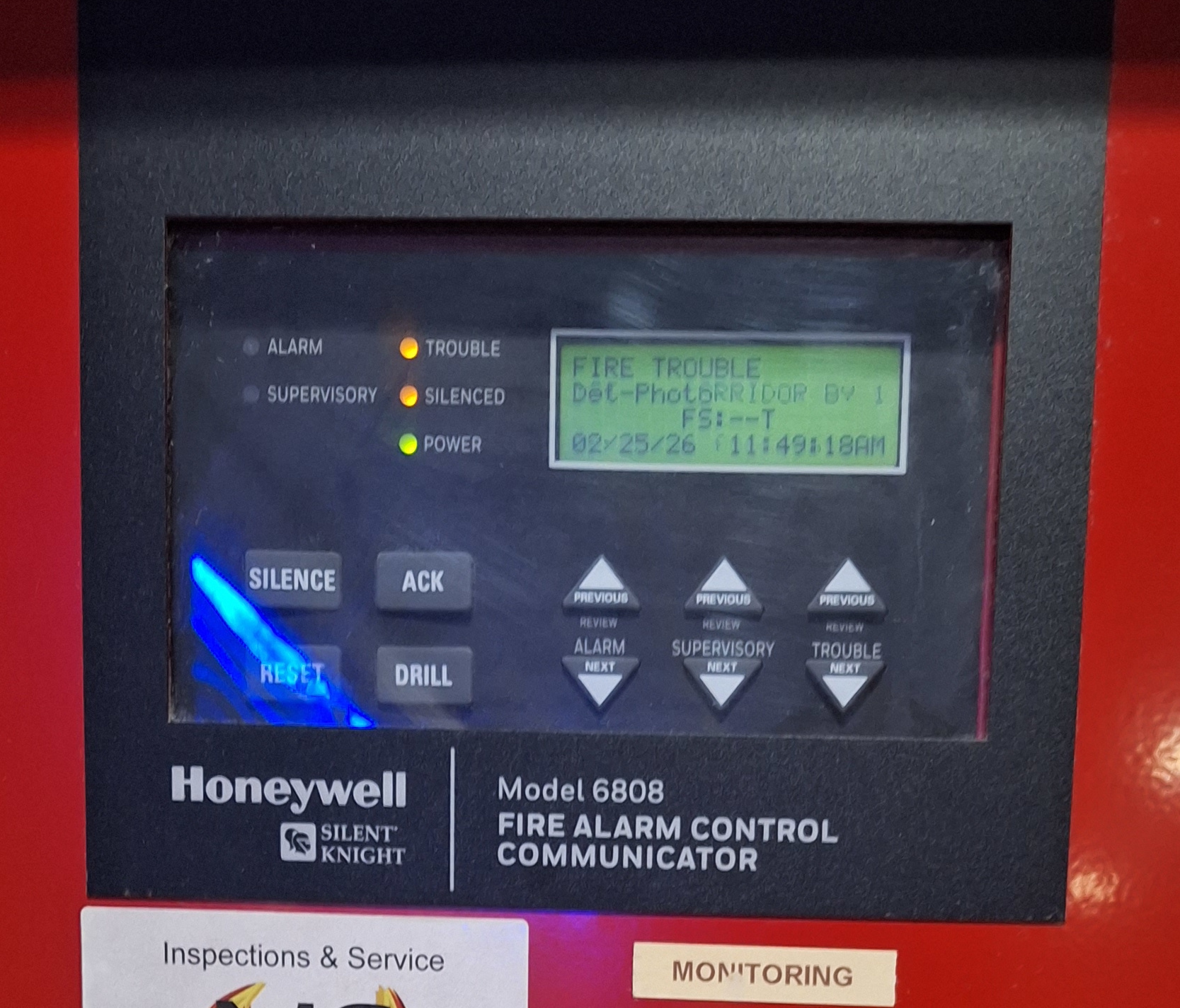
- The Scenario: You manage a mixed-use building in The Domain. Suddenly, the fire panel starts beeping intermittently. Your maintenance technician hits “Silence” and walks away. Two weeks later, the Fire Marshal tests the system. When they cut the AC power and the panel goes dark immediately you know that they got you.
- The Fix: Do not wait for the beep. During our Austin commercial fire inspection services, we load-test your batteries and check the date codes. If they approach expiration, we replace them proactively. Ultimately, this small expense prevents a massive compliance headache.
2. Painted or Obstructed Sprinkler Heads This remains a massive plague in Austin’s rapidly renovating market. Frequently, new tenants move into spaces on South Congress or East 6th Street. They often paint the ceiling black for an “industrial chic” look. However, if paint touches the glass bulb of a fire sprinkler head, it ruins the device and it will not activate during a fire.
- The Problem: Even a tiny speck of paint overspray creates a severe code violation under NFPA 25.
- The Fix: Do not try to clean the paint off with solvents. This violates the safety listing of the device. You must completely replace the head. We routinely handle commercial fire sprinkler repair and head change-outs. We can swap out the painted heads, drain the system, and restore compliance within one day.
3. The “Missing” 6-Year and 12-Year Hydro Tests Fire extinguishers are easy to ignore until a crisis hits. Most property managers check the monthly tags consistently. However, they frequently miss the major maintenance intervals required by the International Fire Code. Specifically, every six years, technicians must empty and internally inspect the extinguisher. Additionally, every 12 years, they must pressure test the cylinder to ensure it will not explode.
- The Scenario: You run a commercial facility in Pflugerville. The inspector looks at the date stamped on the bottom of your extinguishers. It says “2010.” Therefore, you have technically been non-compliant for years.
- The Fix: We never just tag and run. Instead, our technicians carefully calculate the manufacturing dates of your entire fleet. We perform the six-year maintenance or 12-year hydro tests in our shop.
4. Emergency Light & Exit Sign Failures When the power goes out, your tenants desperately need to see where they are going. Inspectors will hit the test button on your exit signs and emergency lighting units. If the lights fail to turn on, you fail the inspection. Additionally, if they dim after only 30 minutes, you fail, because the code requires 90 minutes of illumination.
- The Common Failure: This happens constantly in older buildings around the UT Campus or North Lamar. Specifically, the small lead-acid batteries inside these units cook in the Texas heat and die quickly.
- The Fix: During a comprehensive life safety walkthrough, we test every single emergency light. Furthermore, we stock the specific batteries and bulbs needed to repair them on the spot. As a result, you do not have to call a separate electrician.
5. Inaccessible Riser Rooms and Missing Signage This remains an automatic fail that drives me crazy because it is incredibly easy to fix. Specifically, your Fire Riser Room must remain accessible at all times. You absolutely cannot use it as a broom closet or a storage room for Christmas decorations.
- The Rule: If the Fire Department responds to an alarm at 2:00 AM, they need immediate access to control the sprinkler system. If they have to fight through a mountain of cardboard boxes, you will get a citation.
- The Fix: You must maintain three feet of clearance around all equipment. Additionally, ensure the door is clearly labeled “FIRE RISER ROOM” with an approved sign. Finally, verify the exterior Knox Box holds a current, working key to that room.
5 Frequently Asked Questions About Austin Fire Inspections
- What triggers a red tag during an Austin fire inspection? A red tag indicates immediate system impairment. Specifically, if your fire alarm panel dies or a frozen pipe bursts, the fire marshal will issue a red tag and mandate a continuous fire watch.
- Why do painted fire sprinkler heads fail inspections? Paint acts as a thermal insulator on the sprinkler’s fragile glass bulb. It prevents the device from sensing heat and shattering during a fire. The fire code strictly mandates the immediate replacement of any painted heads.
- How much clearance is required around fire sprinkler heads? The International Fire Code requires a strict minimum of 18 inches of clear, unobstructed space below all fire sprinkler deflectors. As a result, stacking warehouse boxes too high guarantees an immediate code citation.
- How often must I replace commercial fire alarm batteries? Per NFPA 72 regulations, you must replace commercial-grade backup batteries every three to five years from their exact manufacturing date. Otherwise, the panel will throw a trouble code and fail your walkthrough.
- Can I permanently silence a beeping fire alarm panel? No, you absolutely cannot. You can temporarily press the silence button to stop the immediate noise. However, the panel is legally programmed to reactivate every 24 hours until a licensed technician repairs the underlying electrical fault.