
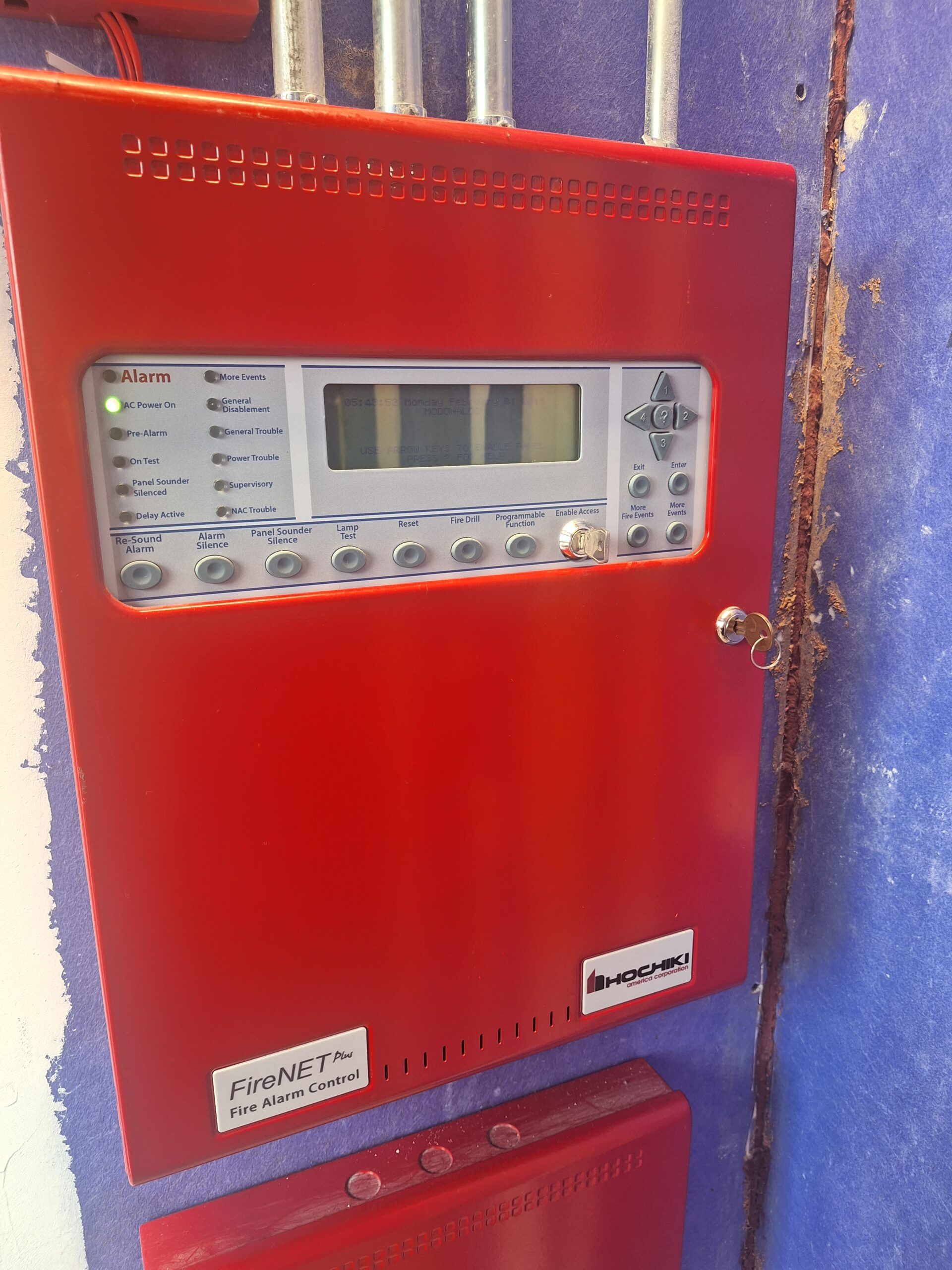
If you manage a hotel or a large commercial property in the Austin area, you already know the cost of a 3 AM panel beep. Working as a life safety professional, I hear the exact same nightmare scenario from general managers every single month.
It is 2:00 AM during a sold-out holiday weekend. A guest on the third floor burns a bag of popcorn in their microwave. Suddenly, the entire building’s fire alarm system is blaring.
Hundreds of guests are forced out of their warm beds and into the cold parking lot. Your front desk staff is completely overwhelmed. The fire department arrives only to find a smoky room, but the damage is already done. By morning, you have a line of furious guests demanding room refunds, and your online reviews are going to take a massive hit.
This chaos is completely preventable. You can effectively reduce false fire alarms without compromising the safety of your building. By utilizing a specific panel feature called a “presignal,” your staff can investigate and silence a nuisance alarm before the rest of your customers ever hear it.
Tired of comping rooms for burnt popcorn? If your property is suffering from constant nuisance alarms, we can audit your system today to see if a presignal upgrade is right for your building.
The Triage Nurse: How Presignals Actually Work
Think of a presignal feature like a triage nurse at a busy hospital. Instead of sending every single person with a cough straight to the operating room, a professional evaluates the situation first to see if it is an actual emergency.
When a specialized presignal system is programmed into your fire alarm control panel, a triggered smoke detector does not immediately sound the horns and strobes throughout the entire property.
Instead, the system sends a quiet, localized alert to a constantly attended location like your front desk or security office. This gives your trained staff a strictly defined time window (usually one to three minutes) to investigate the source of the alarm. If it is just steam from a shower or burnt toast, they can reset the system before the general building alarm ever triggers.
The Catch: When Are Presignals Allowed in Austin?
You cannot simply flip a switch to turn this feature on. Because life safety is involved, the local fire code dictates exactly when and where presignals are legally permitted.
Building codes generally allow presignal operations in occupancies where a massive, sudden evacuation is highly impractical or dangerous. Hotels, high-rise commercial properties, and hospitals are prime candidates.
However, there is a major requirement. You must have a constantly attended location with staff members who are specifically trained to investigate and respond to these alerts 24 hours a day. If your front desk closes at midnight, a presignal system is not a legal option. Furthermore, turning this feature on requires explicit approval from the local Austin Fire Department.
According to 23.8.1.1.2 of the NFPA 72 National Fire Alarm and Signaling Code “a presignal feature shall meet the following conditions:
- The initial fire alarm signals sound only in deppartment offices, control rooms, fire brigade statiosn, or other constantly attended locations
- Where there is a connection to a remote location, the transmission of the fire alarm signal to the supervising station actuates upon the initial alarm signal.
- Subsequent system operation is by either of the following means:
(a) Human action that actuates the evactuation alarm signal or other response per the emergency response plan.
(b) A feature that allows the control unit to delay the general alarm by more than 1 minute after the start of the alarm procesing - Investigation of a prsignal alarm is performed by qualified personnel
- The emergency response plan of a presignal facility includes details of the alarm receipt, investigations, and alarm activation procedures and is approved by the authority having jurisdiction.
Your Next Steps to Protect Your Guest Experience
If you want to stop the late-night evacuations and protect your bottom line, here is exactly what you should do next.
- Audit Your False Alarm History: Review your logs from the past year. Are your alarms caused by true system malfunctions, or localized smoke incidents like cooking and vaping? Presignals are highly effective for the latter.
- Check Your Panel Age: Locate your main fire alarm control panel. Older conventional panels typically lack the sophisticated programming required for delayed notifications. Addressable systems are almost always required to utilize presignal features.
- Call in a Local Expert: Do not attempt to navigate the fire code alone. Bring in a licensed fire protection contractor to inspect your hardware, verify your staffing model, and help you present a rock-solid case to the local fire marshal for approval.
False alarms are more than just a minor annoyance. They damage your brand reputation and cause incredible stress for your management team.
Take a quick photo of your fire alarm panel and send it to us. We will review your equipment and let you know exactly what it takes to get your property upgraded, compliant, and quiet.