
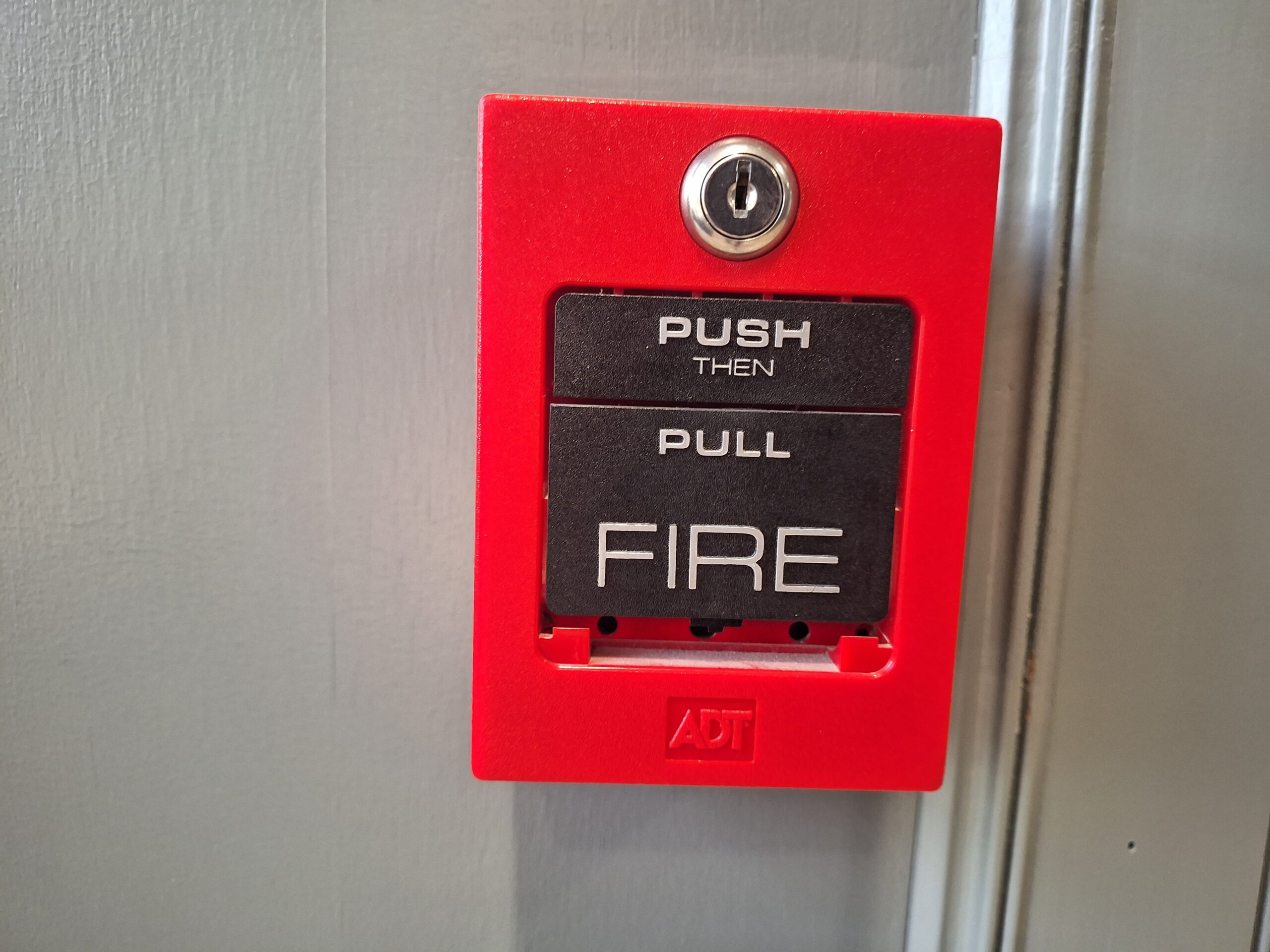
It is the call no Austin property manager wants to get at 2:00 AM. Your fire alarm panel has crashed, or a sprinkler pipe burst during a freeze. The system is dead.
Now, you are facing a critical choice: Shut down your building immediately, or implement an Emergency Fire Watch.

As a Fire Safety Expert with Firetrol Protection Systems, I see this panic all the time. Whether you run a high-rise downtown, a garden-style apartment complex in Round Rock, or a manufacturing plant near the airport, the rules are the same. If your life safety system is impaired, you are liable.
Here is the plain English guide to Austin Fire Department (AFD) compliance regarding Fire Watches (and how to get your system fixed so you can stop paying for guards.)
What is a Fire Watch?
A Fire Watch is a temporary measure intended to ensure continuous fire safety when your automatic systems (alarms or sprinklers) aren’t working.
It is not just having a security guard sit at the front desk playing on their phone.
According to the 2021 International Fire Code (IFC) and NFPA standards adopted by Austin, a Fire Watch requires a dedicated person to:
- Continuously patrol the entire building (or the affected area).
- Look for signs of fire, smoke, or other hazards.
- Carry a means to contact 911 immediately.
- Keep a detailed log of their patrols every hour (or more frequently, depending on the risk).
Crucial Note: The person on Fire Watch cannot have other duties. They cannot be answering phones, fixing toilets, or checking IDs. Their only job is to watch for fire.
When Does Austin Require a Fire Watch?
The Austin Fire Department is strict on this. Generally, if your system is out of service for more than 4 hours in a 24-hour period, notification is mandatory, but safety dictates the watch starts the moment the system goes down.
Here are the most common scenarios I see in Austin that trigger this requirement:
1. The Red Tag (System Impairment)
If we come out for a fire alarm inspection in Austin and find that your panel cannot transmit signals, or your strobe lights aren’t firing, we have to issue a Red Tag. This signals that the system is impaired. Until that Red Tag is cleared, you are on Fire Watch.
2. Frozen or Burst Sprinkler Pipes
We all remember the recent freezes. If a pipe bursts in your attic or parking garage and you have to shut off the water to the commercial fire sprinkler system, your building is unprotected. You must have eyes on the ground until the water is turned back on.
3. Construction & Renovations
If you are doing a major tenant finish-out like remodeling a tech office in The Domain, and you need to bypass the smoke detectors to prevent false alarms from dust, you need a Fire Watch active during that downtime.
4. “Trouble” Signals That Go Ignored
If your panel has been beeping for weeks and finally dies, you have moved from a maintenance issue to an emergency. A dead panel means no detection. No detection means mandatory Fire Watch.
The High Cost of Waiting
Ignoring a Fire Watch requirement is dangerous and expensive.
- Liability: If a fire starts and your system was down without a documented Fire Watch, your insurance company may deny the claim. You could be personally liable.
- Fines: The Fire Marshal can issue citations for every day of non-compliance.
- Shutdowns: In extreme cases, especially for residential buildings or assembly occupancies (like bars on 6th Street), AFD can order the building evacuated immediately.
💡 Pro Tip from Seth
“Don’t forget to call your monitoring company! If you are putting your building on Fire Watch, you must call the central station (the people who call the fire department) and put your account on ‘Test’ or ‘Ignore.’ Otherwise, if you try to fix the system yourself and accidentally trip a sensor, you’ll have the fire trucks rolling up for a false alarm (and Austin charges for those!)”
Who Is Responsible for the Fire Watch Log?
You are.
As the building owner or manager, you are designated as the “Impairment Coordinator.” You must maintain the log. If an AFD inspector walks in, they will ask to see it immediately.
The log must include:
- Who is patrolling (Name and signature).
- Time they checked each area (e.g., “02:00 AM – 1st Floor Hallway Clear”).
- Issues found (if any).
If you don’t have this log, you are in violation.
The Fastest Way Out: Emergency Repair
A Fire Watch is a bandage, not a cure. It is also expensive. Paying personnel to walk hallways 24/7 adds up fast. The goal is to get back to “Normal” status as quickly as possible.
This is where Firetrol comes in. We don’t just log the deficiency; we fix it. To end the Fire Watch, you need to restore the system to full functionality and get a Green Tag.
Our Approach to Getting You Back Online:
- Emergency Fire Alarm Diagnostics: We troubleshoot ground faults, dead batteries, and fried circuit boards to get your panel communicating again.
- Sprinkler Repair: From replacing a single head to repairing a main riser, we handle the dirty work to get water pressure back up.
- Extinguisher & Suppression Checks: While we are there, we can verify your fire extinguishers and kitchen hoods are compliant, saving you a separate trip charge.
Stop the Panic. Call the Experts.
If you are currently running a Fire Watch, or if you are worried your aging system is about to fail, you need a partner who understands the local Austin codes.
Don’t wait for the Fire Marshal to red-tag your door. Let’s get your system inspected, repaired, and compliant so you can sleep at night.
Leave a Reply