
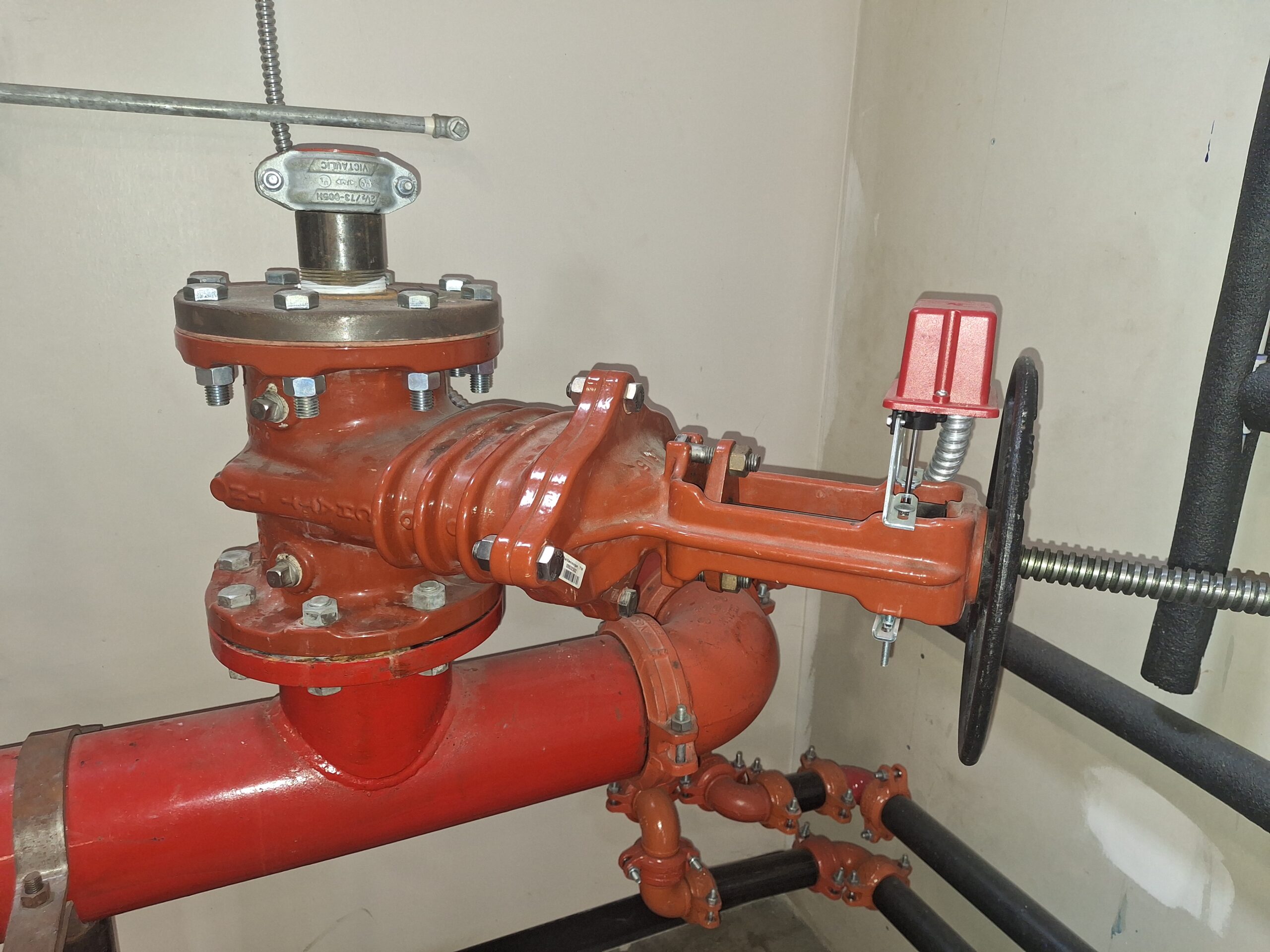
Did you just receive a backflow violation notice from the City of Austin? Consequently, commercial property managers often feel immediate stress. It is not just about a simple fine. Instead, you face the looming threat of the city shutting off your water supply. Therefore, you must resolve this compliance issue immediately.
In most commercial buildings, the fire sprinkler system physically connects to the city water supply. This connection remains essential for putting out fires. However, it creates a very specific risk. You absolutely cannot allow the stagnant, chemically treated water inside your pipes to flow backward. Specifically, this contaminated water cannot enter the public drinking water system.
The One-Way Street: How Backflow Prevention Works
Think of your backflow preventer like drinking through a straw. You want the liquid to come up. However, you never want it to wash back down into the glass.
The preventer acts as a heavy-duty, one-way valve. For example, the pressure in the city water main might drop suddenly. This happens if a fire truck opens a hydrant down the street. When this occurs, the device physically slams shut. Therefore, it guarantees stagnant sprinkler water is not sucked back out into the public supply. Because this is a massive public health requirement, the City of Austin enforces strict annual testing. Consequently, they issue fines quickly for noncompliance.
Why This Differs From Your Annual Sprinkler Inspections
Property managers often assume their fire sprinkler inspector automatically handles their backflow certification. However, these are two completely different beasts.
Your annual fire sprinkler inspection follows strict NFPA 25 standards. This ensures your system works during a fire. Conversely, backflow testing is a completely separate municipal code requirement. Specifically, it focuses entirely on environmental protection.
Because these are distinct services, many managers hire two different vendors. Consequently, you double your administrative headaches. You must coordinate access twice and review two sets of invoices. Furthermore, if one vendor forgets to file the documentation, you still receive a violation.
The One-Stop Shop Solution
You can completely eliminate the hassle of juggling multiple contractors. Simply partner with a life safety provider holding the licensing to perform both services.
At Austin Fire Inspections, we fully equip our technicians to perform your required fire sprinkler inspections. At the exact same time, we execute your municipal backflow certifications. Therefore, you get one vendor, one schedule, and unified records filed correctly with the city.
5 Frequently Asked Questions About Backflow Testing
- What is a backflow preventer on a commercial fire sprinkler system? A backflow preventer acts as a heavy-duty, one-way valve. It ensures stagnant, chemically treated water from your fire sprinklers cannot flow backward into the public drinking water supply.
- Why did I receive a backflow violation notice from the City of Austin? The City of Austin enforces strict annual testing schedules for backflow assemblies to protect public health. If you miss your annual deadline or fail to file the paperwork, the city will issue an immediate violation notice.
- Can the City of Austin shut off my water for a backflow violation? Yes. If you do not resolve a backflow compliance issue immediately, the city can shut off your commercial property’s water supply to prevent municipal contamination.
- Does my annual fire sprinkler inspection include backflow testing? Usually, no. Annual fire sprinkler inspections follow NFPA 25 standards for fire safety, while backflow testing is a separate municipal code requirement for environmental protection.
- Do I need two different vendors for sprinkler and backflow inspections? No. You can eliminate scheduling headaches by partnering with a single life safety provider who holds the proper licensing to perform both sprinkler inspections and backflow certifications simultaneously.